
Residential Solar Panels for your Home
Start slashing your energy costs with your own array of solar panels.
Residential Solar Systems Perth
Have you been considering going green and reducing your carbon footprint? One of the best ways to do that is by installing a residential solar system in your home. Solar systems have become increasingly popular in recent years due to the benefits they offer homeowners.
Not only do they save money on energy bills, but they also reduce dependence on non-renewable energy sources and protect the environment.
Living in Western Australia, it seems like a no-brainer to us that solar panels should be a part of every home. Ready to get started? Contact us today.
Types of Solar Power Systems for Your Home
Depending on your home and power usage you might opt for a different sized system. The most common residential solar system is definitely the 6.6kW system covering a large party of your daily solar consumption while still enabling you to sell your excess power back to the system.
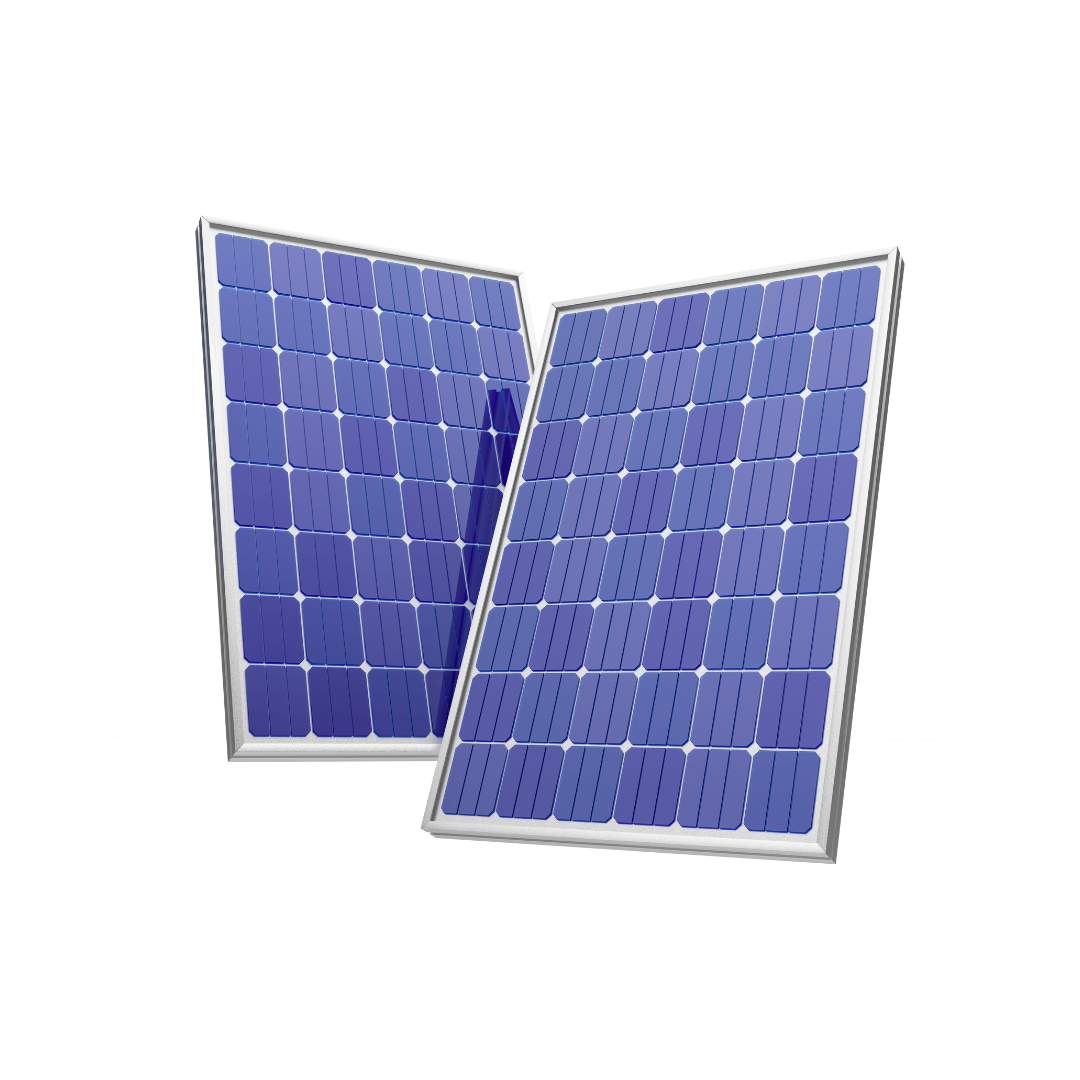
6.6kW Solar Power System
The most popular solar-powered system for most homes.
Depending on your daily energy usage we find our customers’ panels pay for themselves in 3-5 years’ time.
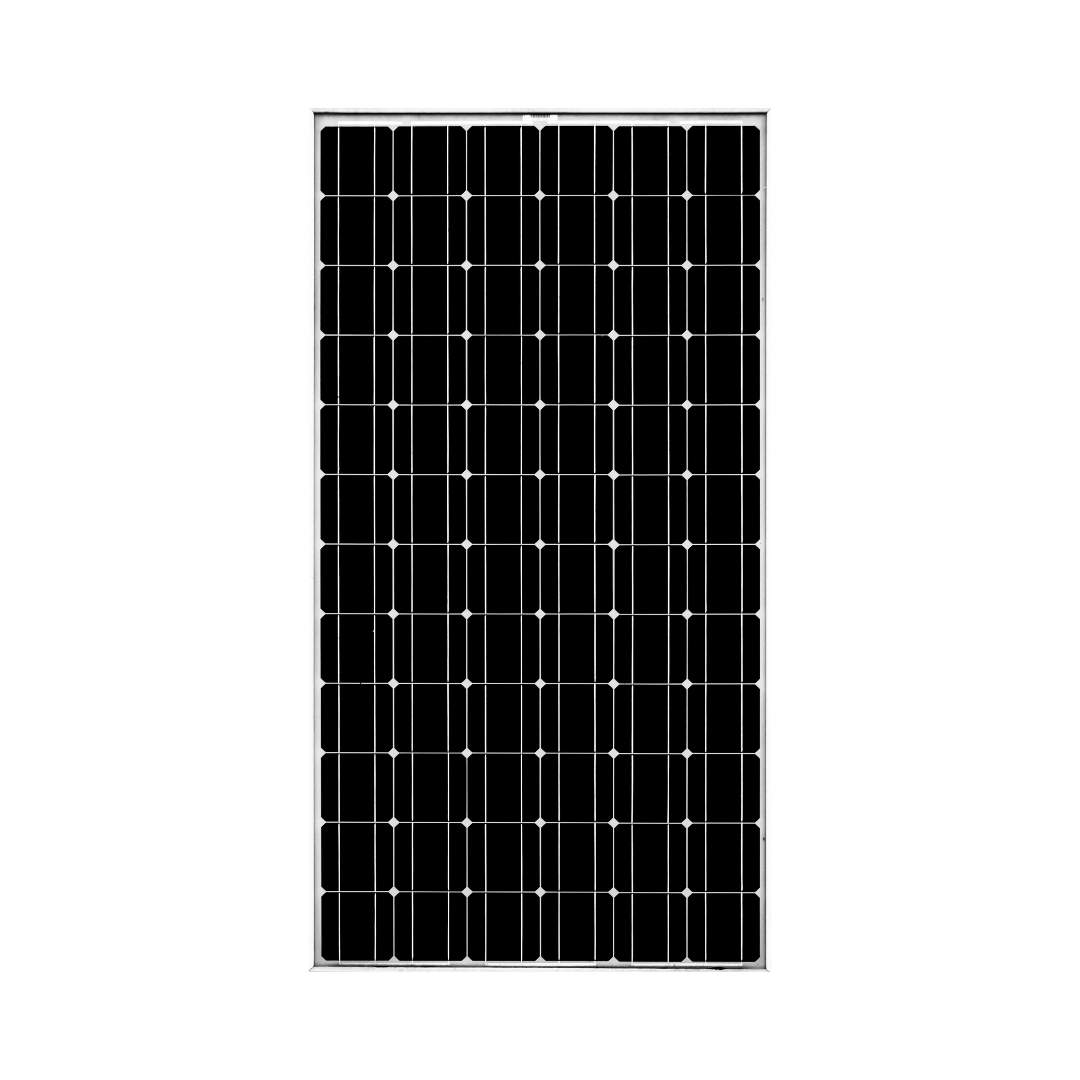
7.7kW Solar Power System
Perfect for the larger household, as well as commercial businesses.
Your roof will require a fair bit of additional space.
10.38kW Solar Power System
Designed for those higher power consumers, home businesses, and those who love their spa.
13.28kW Solar Power System
Perhaps unnecessary for the typical residential home, however depending on your energy needs, it’s always better to get a slightly bigger system than you require.
Ready to Talk Solar?
Get in touch with us and one of our solar experts will help guide you on getting the right system for your home.

The Advantages of Solar
- Saving Money on Energy Bills: One of the biggest advantages of installing a residential solar system is the savings you will see on your energy bills. Depending on your energy usage, you may be able to reduce your bills by 50-70%.
- Increasing Home Value: A solar system can also increase the value of your home, making it a valuable investment.
- Protecting the Environment: By reducing your dependence on non-renewable energy sources, you are doing your part in protecting the environment.
- Government Subsidies: Enjoy a significant government subsidy on your solar panels without having to do any additional work. We apply for your subsidy on your behalf, so just sit back, relax and enjoy your new free energy.

The Solar Installation Process
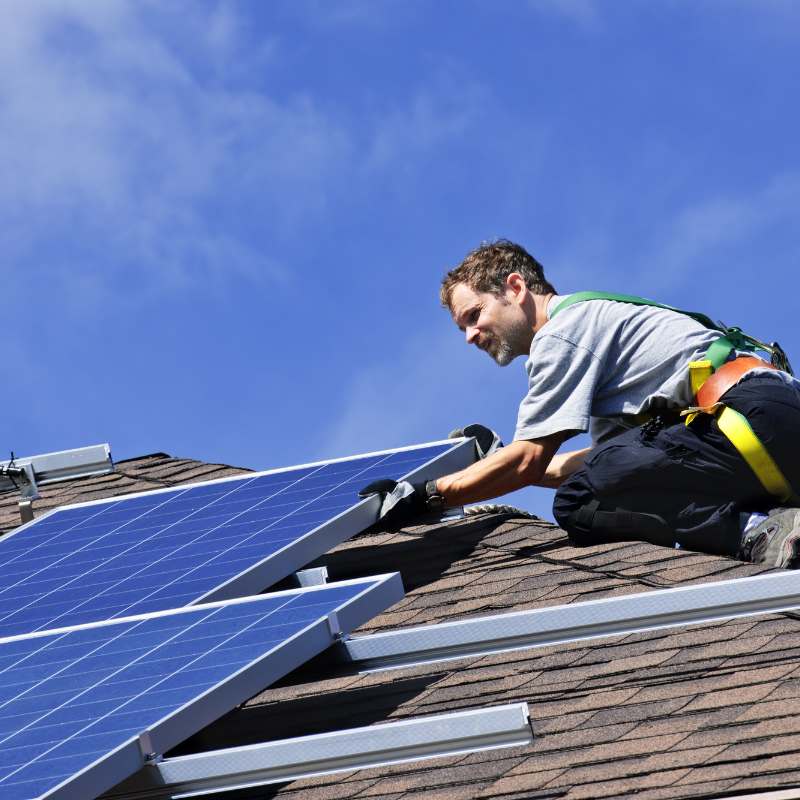
Installing solar on your home is a fairly straightforward process and we make sure that you’ll capture the most amount of rays every single day to maximise your power production.
- Firstly, we’ll schedule a visit to assess your home’s situation and your household’s needs and then provide a quote that meets your requirements.
- During the installation day, we’ll discuss the placement of your inverter and panels based on our experience and checking for any potential shade issues etc. that can impact how much your solar system is generating.
- We put aside a whole day for placement, completion of the installation, testing, and finally commissioning of your system.
- After installation, we’ll connect your system to your WIFI network and demonstrate how it works.
- If you’ve opted to upgrade to include an app to accompany your solar system, we’ll also help you set this up and show you some of the information you can view/collect.
We provide ongoing monitoring and support for the lifetime of your solar system.
Frequently Asked Questions About Residential Solar
We get a lot of calls and customers tend to ask similar questions. Here we hope to answer some of yours.
How much power does a 6.6 kW solar system produce in Perth?
The amount of power that a 6.6 kW solar system produces in Perth, Western Australia, will vary depending on several factors such as the location, orientation, and tilt of the solar panels. However, on average, a 6.6 kW solar system in Perth can produce around 25-30 kilowatt-hours (kWh) of electricity per day, depending on the amount of sunlight it receives. This can provide a significant portion of a typical household’s electricity needs, reducing their dependence on the grid and saving them money on their electricity bills.
How much can you save on your power bill when you have solar?
The amount you can save on your power bill by having solar panels depends on several factors such as the size of your solar system, your electricity consumption, the cost of electricity from your utility company, your location and climate, and your solar system’s efficiency. On average, homeowners can save 30-50% on their electricity bill by going solar. However, the exact savings can vary and it’s best to get a personalized assessment from a solar professional to determine the potential savings for your specific situation.
Do solar panels work during cloudy weather?
Solar panels can still generate some electricity during cloudy weather, although the output will be significantly lower compared to sunny conditions.
This is because clouds can reduce the amount of sunlight that reaches the solar panels. However, most solar panels are still able to produce some electricity even on overcast days.
Is shade a problem for solar panels?
Yes, shade can be a problem for solar panels. Even a small amount of shading on a portion of a solar panel can significantly reduce its overall output.
This is because solar panels are designed to work in series, meaning that the performance of each panel is linked to the performance of the others. When one panel is shaded, it can lower the output of the entire system.
To maximize the efficiency and performance of a solar panel system, it’s important to make sure that the panels are installed in a location that is free from shading from buildings, trees, or other obstructions.
If shading is unavoidable, it may be necessary to use technologies such as microinverters or optimizers that can help mitigate its effects.